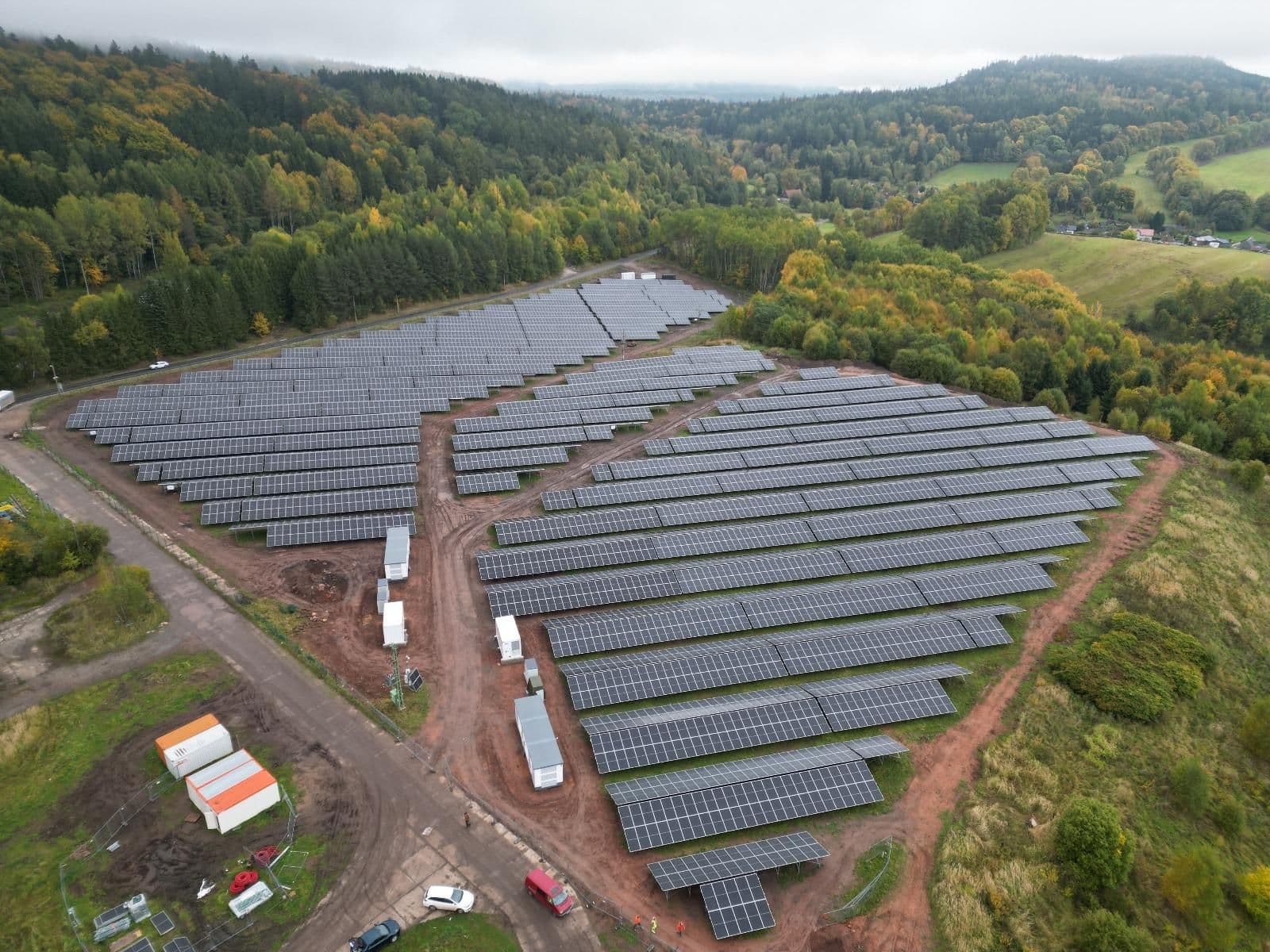
Repowering or retrofitting PV plants?
One way to extend the life of existing PV plants is through repowering — replacing existing panels with new, more powerful ones. This option makes sense if the total installed capacity remains unchanged, meaning that the original feed-in tariff remains applicable. However, given that tariff support will end around 2030, repowering needs to be carried out by mid-2026 at the latest for the investment to make sense and pay for itself.
In contrast, retrofitting represents a broader modernisation strategy. It is not just a matter of replacing panels, but of adding a new component to the entire system, such as large-capacity battery storage. It is precisely in this area that interesting economic and technical opportunities are opening up.
From an economic point of view, repowering offers the possibility of increasing production compared to the current solution. Retrofitting makes it possible to sell electricity at the most expensive times of day and move from the "hump to the head" of the duck curve. Electricity can often be sold at a premium of up to EUR 300/MWh.
With or without power input
If the project also manages to secure power input from the grid, the battery can also participate in the ancillary services market. However, retrofitting also makes it possible to increase the value of the electricity sold without the need to secure power input – using so-called profile shaping.
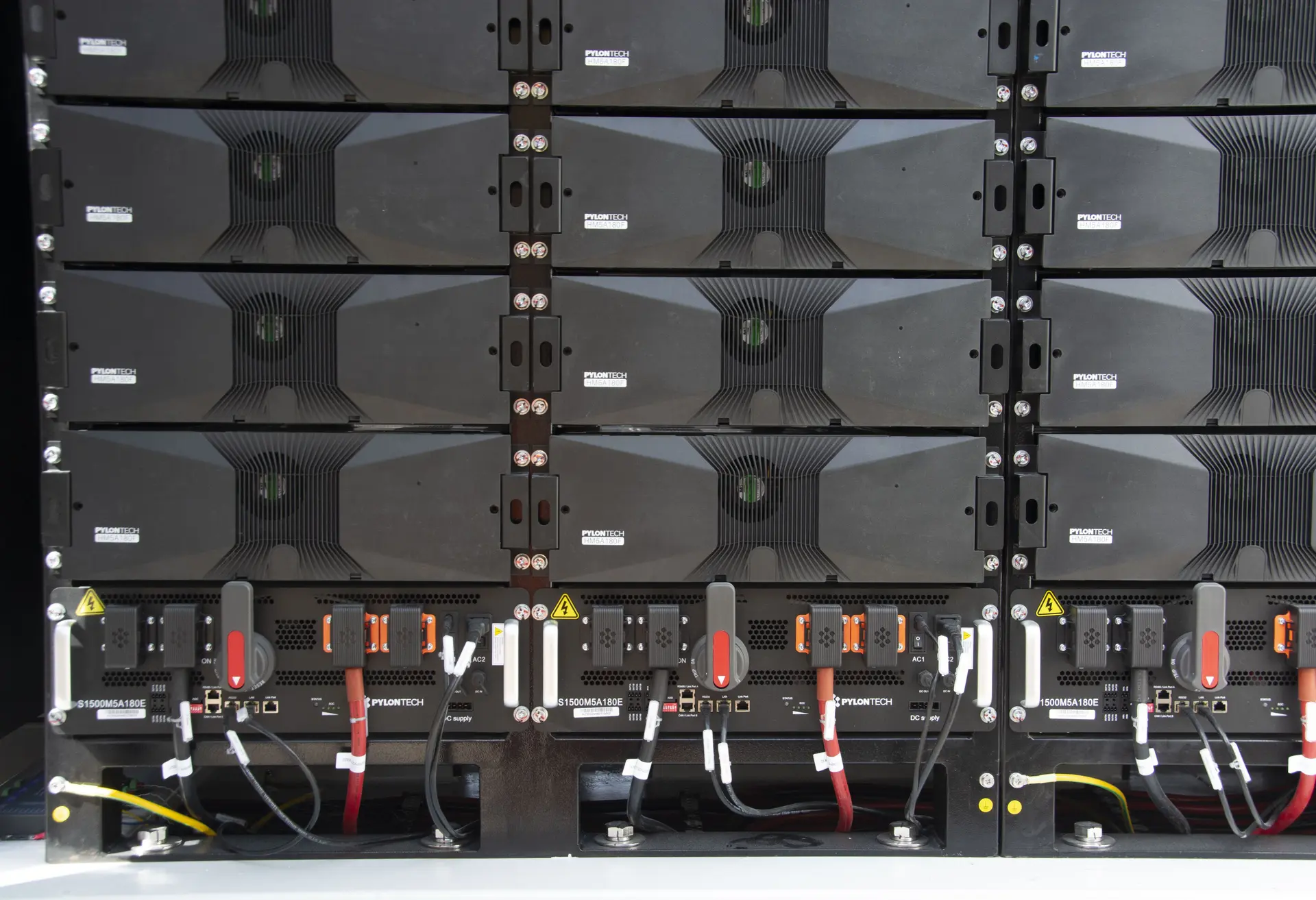
Advantages of retrofitting PV systems with BESS
Owners of older PV systems have a huge advantage thanks to their existing infrastructure. They often have access to:
- connection to the distribution network
- transformer station
- approved zoning plan
- secured land
This greatly simplifies the BESS installation process compared to greenfield projects. In addition, retrofitting does not require any intervention in the existing PV system if the solution is designed in parallel.
A system supplemented with BESS can help:
- balance fluctuations in production and consumption
- optimise grid supply
- adapt to market conditions (e.g., flexibility trading)
- keep the project economically viable even after the end of support
Technical solutions for retrofitting with BESS
There are two main options in terms of implementation:
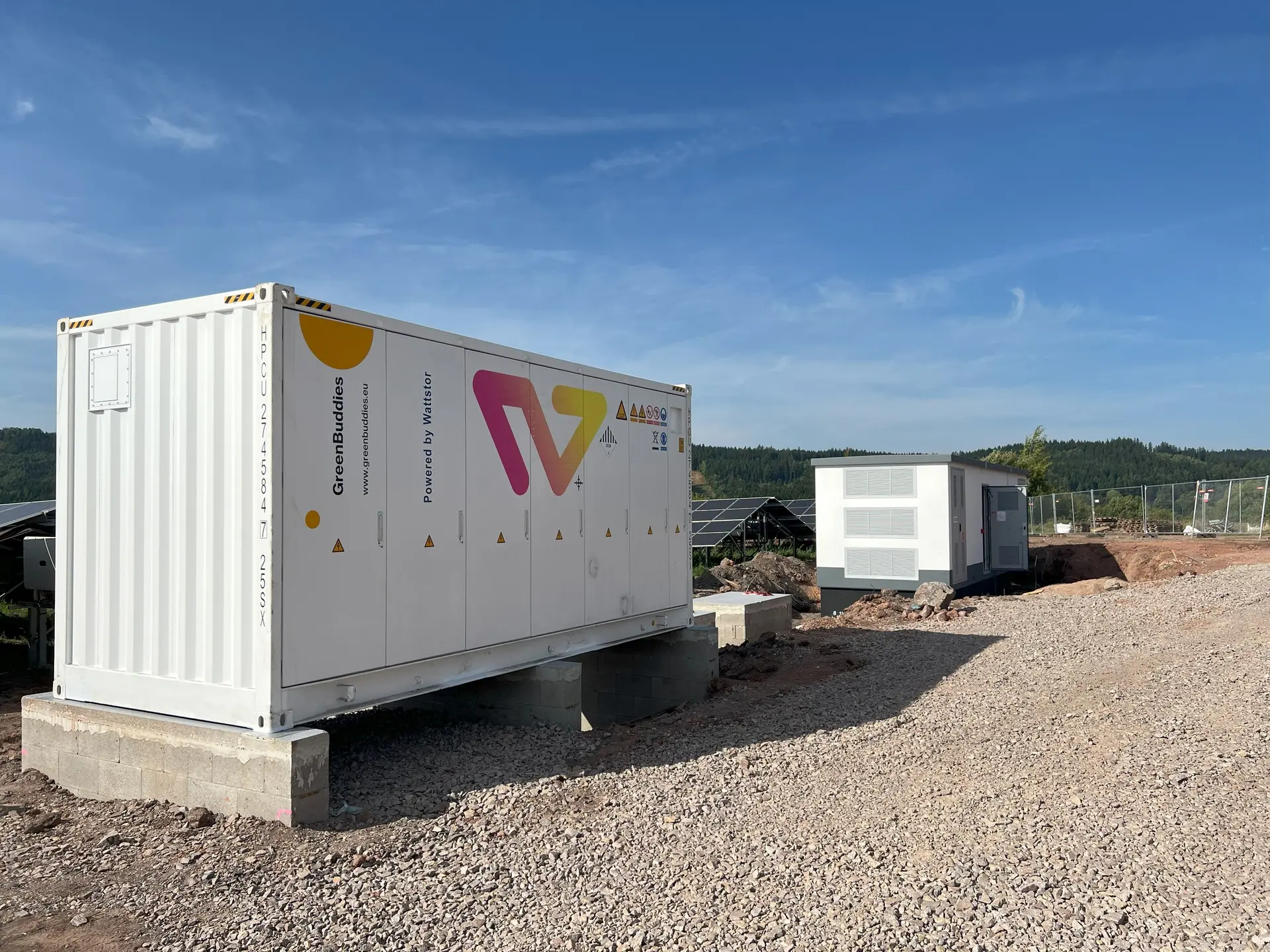
1. Container solution + MV skid
This is the most common option for larger projects. It includes:
- battery containers
- MV skid (combination of LV switchboard, transformer, and HV switchboard)
- connection to the HV side of the PV plant and the grid
2. LV integration (400V)
Only for smaller installations where the BESS has a 400V output. The system can be connected to the PV plant on the LV side, thus avoiding more demanding HV modifications. Economically viable only for smaller capacities.
For larger battery storage facilities (above MW units), a solution with its own HV connection is a more robust and stable option in the long term.
Administrative steps for PV retrofitting
Unlike new projects, retrofitting uses an existing location. This usually means:
- No need to change the zoning plan
- No need for a new connection
- Simpler building permit
However, it is necessary to assess whether it is possible to increase the output or ensure sufficient power input for BESS. Often, a review of the existing infrastructure is sufficient.
At Greenbuddies, we focus not only on the construction of turnkey PV power plants, but also on their modernization and optimization of their operation. We will help you evaluate the potential of your existing power plant and design an individual solution that makes sense both technically and economically. Contact us and move your PV power plant into the next energy decade.