For large-scale energy projects, the quality of preparation determines the reliability of the final installation. The foundations of ground-mounted photovoltaic plants, solar carports or battery energy storage systems must transfer structural loads safely into the ground over the entire lifetime of the project. This requires more than general assumptions – the actual behaviour of the soil at the specific location must be verified.
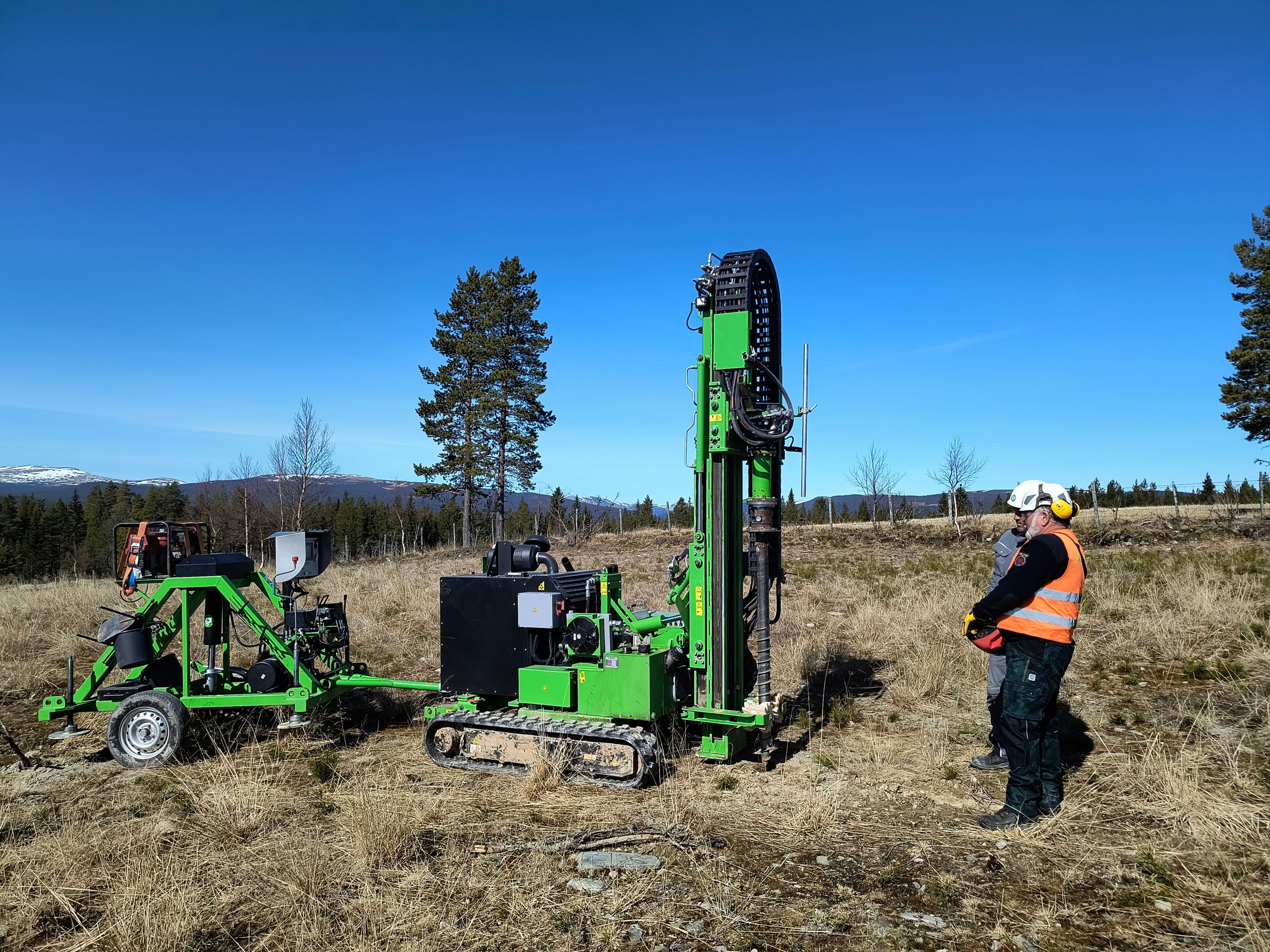
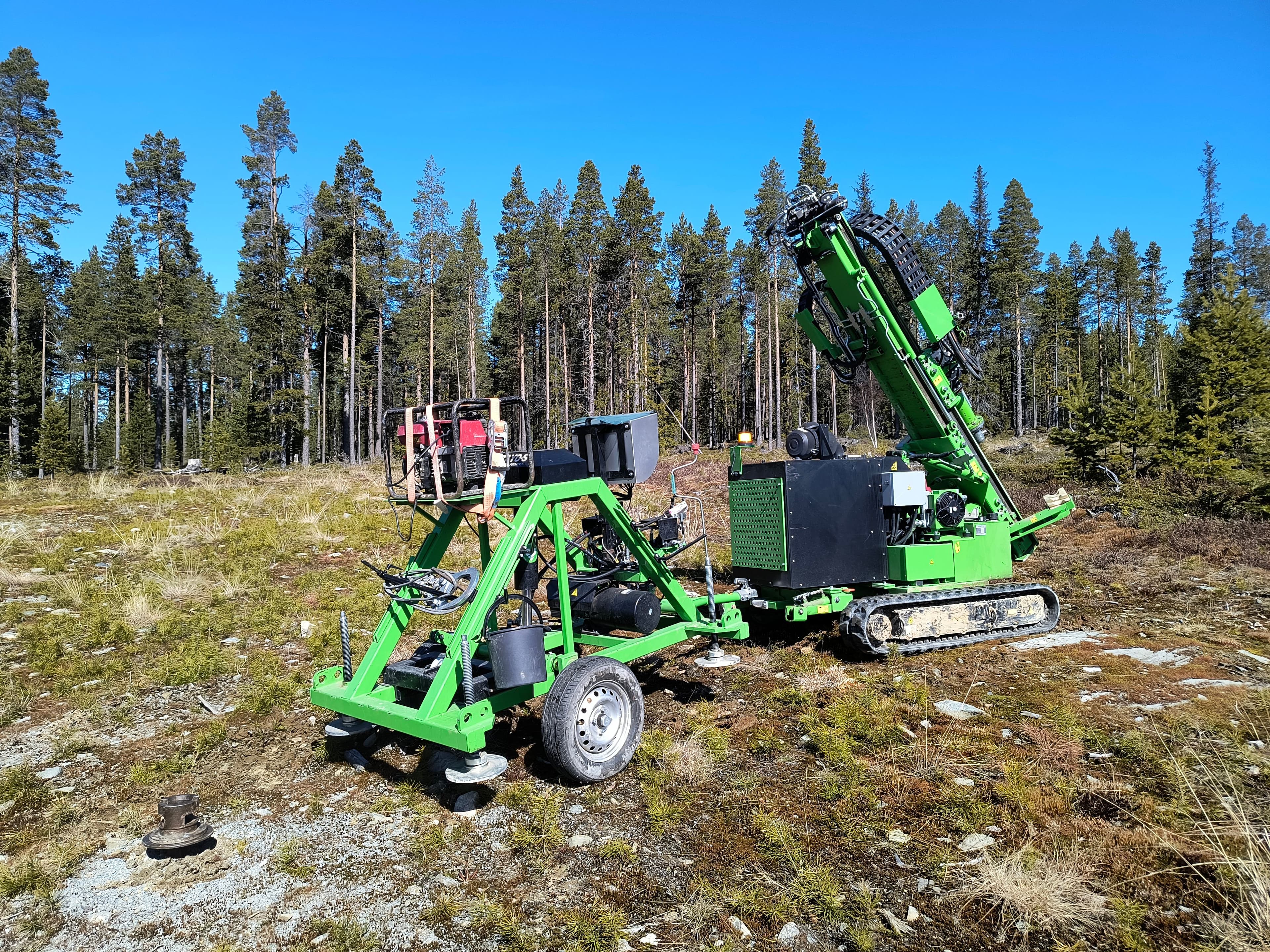
At GreenBuddies, we connect project preparation, structural design and on-site verification. Together with BAYO.S, we use compression and pull-out tests of ground screws to compare the designed foundation solution with the actual measured bearing capacity of the soil.
The type, length and spacing of foundation elements can be determined based on real data from the project site rather than only general geological assumptions. This reduces the risk of both under-designed and unnecessarily oversized foundations.
One project, different ground conditions
Ground conditions can vary significantly not only between different construction sites but also within a single project area. Geological surveys provide an important starting point for engineers, but they may not fully describe every location where the foundations of a photovoltaic plant or battery storage system will be installed.
This creates two main project risks. The first is insufficient foundation capacity that does not meet the required design loads. The second is an unnecessarily robust solution with higher material consumption, longer installation times and increased costs. Both situations can affect the schedule, budget and long-term reliability of the project.
This is why on-site verification plays an important role. For larger projects, even a relatively small change in the type or length of foundation elements can create significant differences in material requirements, logistics and installation time.
What compression and pull-out tests verify
The testing principle is straightforward. A test ground screw or profile is installed to the required depth and then loaded in a way that reflects the future forces acting on the structure.
- Compression tests verify the behaviour of the foundation element under vertical loads transferred into the ground.
- Pull-out tests evaluate resistance against extraction and, where required, horizontal load capacity, which is particularly important for above-ground structures exposed to wind forces.
During testing, the applied force and corresponding displacement are electronically recorded. The result is a force-displacement curve showing the behaviour of the foundation element in the specific soil conditions. Automated data collection reduces the risk of manual measurement errors and creates a traceable record of every test.
The tests are based on principles of geotechnical design. Test locations are selected to represent the conditions across the entire project area. If the ground conditions are highly variable, the scope of testing is expanded accordingly.
Improve the reliability of your solar or BESS project preparation
GreenBuddies supports investors and developers with technical preparation, EPC delivery and construction coordination of large-scale photovoltaic and energy storage projects across Europe.
FAQ
Why are ground tests important before building a photovoltaic or BESS project?
Ground tests verify the actual bearing capacity and behaviour of the soil at the project location. This helps determine the right foundation solution based on real site conditions instead of relying only on general geological assumptions.
What is the difference between compression and pull-out tests?
Compression tests verify how foundation elements behave under vertical loads transferred into the ground. Pull-out tests evaluate resistance against extraction and other forces that can affect above-ground structures, especially due to wind loads.
Why can soil conditions vary within one project area?
Soil properties can change across a construction site due to local geological conditions. Testing multiple locations helps identify these differences and ensures that foundation design reflects the actual conditions of the entire project area.
How do foundation tests help optimize project costs?
By using measured data from the site, engineers can avoid both insufficient foundation solutions and unnecessary oversizing. Optimized foundation design can reduce material requirements, installation time and logistical complexity.
How does GreenBuddies support large-scale energy projects?
GreenBuddies supports renewable energy projects through technical preparation, engineering coordination, EPC delivery and construction management. This approach helps investors and developers implement reliable photovoltaic, solar carport and battery storage projects.